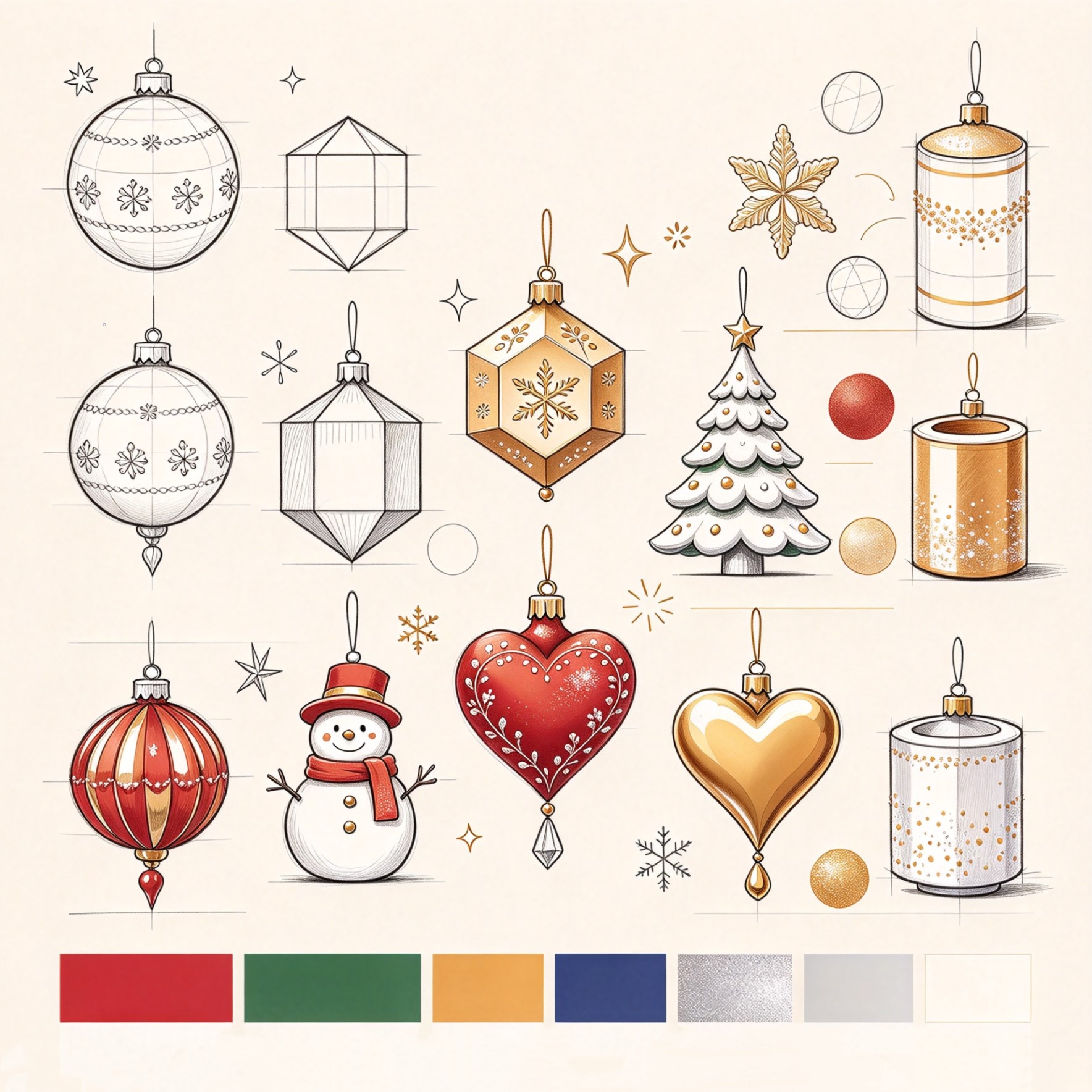
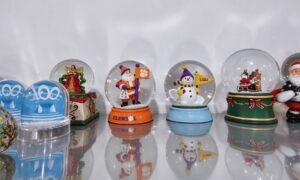
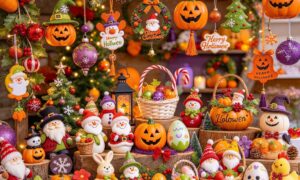
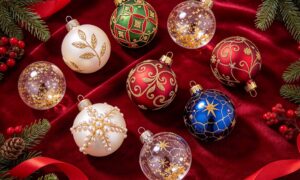
Custom Christmas ornament design starts with an idea, but a successful product needs much more than an attractive appearance. Buyers need designs that fit their target markets, use suitable materials, and support stable bulk production. At Zhichen Artware, we use our experience in developing more than 11,500 products to help customers turn creative concepts into manufacturable seasonal decorations. This guide explains the key points we consider during custom Christmas ornament design and development.
1. Start with a Clear Ornament Design Concept
We recommend defining the purpose of a product before deciding on its shape or decoration. A retail collection may need a consistent visual theme, while a corporate seasonal project may require recognizable brand elements. Event decorations may focus on a specific theme, color scheme, or visual effect. Every project needs a clear design direction before the production details are finalized.
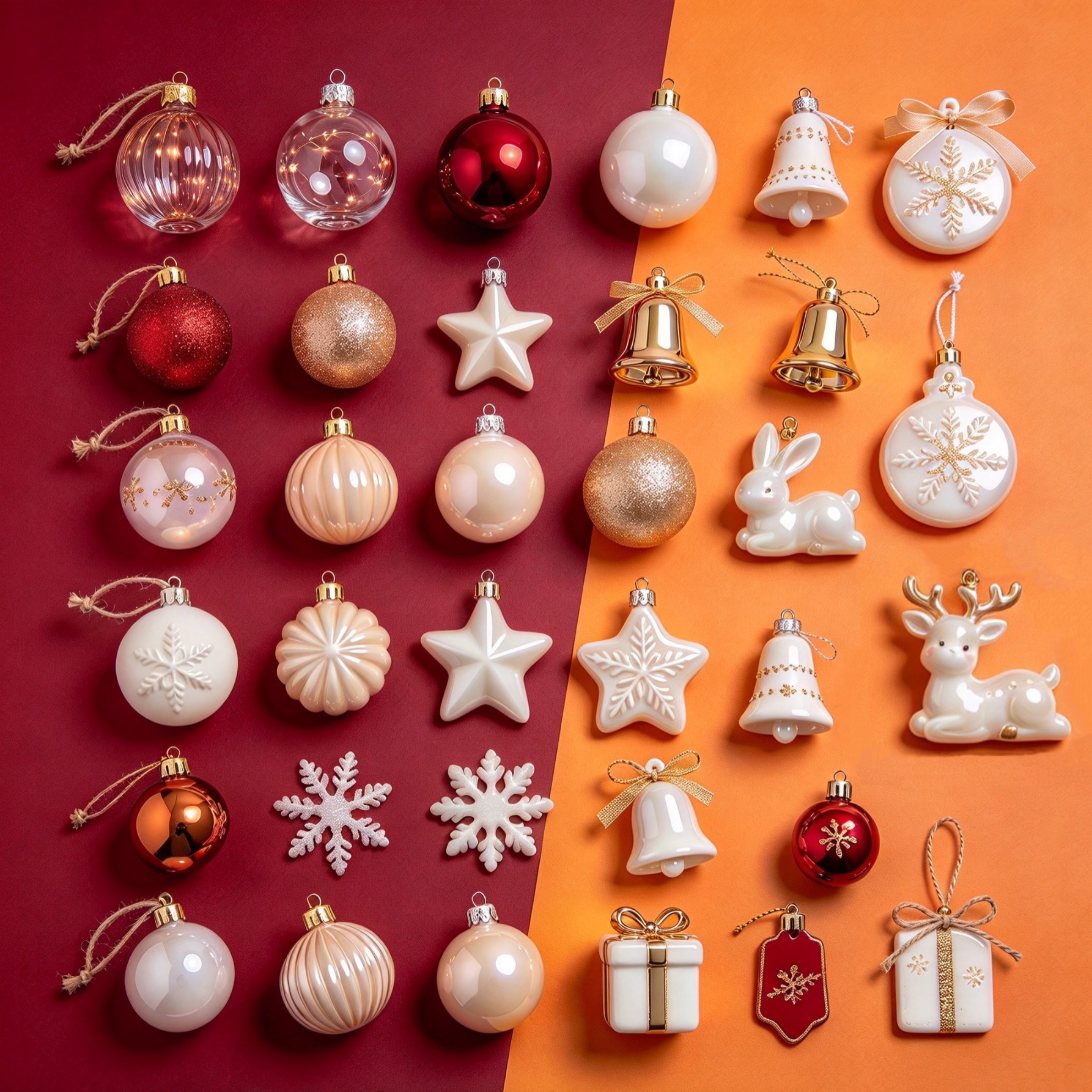
We recommend starting with three basic elements: the target market, the design theme, and the planned product range. Buyers can then decide on the ornament shape, dimensions, colors, surface finishes, and hanging structure. For example, a traditional collection can include stars, bells, snowflakes, and round ornaments. A modern collection can feature geometric shapes, clean lines, and restrained colors. A themed collection can combine several related shapes while maintaining a consistent visual style.
We also encourage buyers to consider the entire collection rather than a single product. Related designs can share colors, surface finishes, or decorative details. This approach helps create a more unified product range and gives buyers more options for seasonal merchandising. For branded seasonal campaigns and promotional programs, buyers can also explore our custom seasonal decoration solutions for gift brands and promotional buyers.
2. Match Materials with Design and Production Needs
Material selection affects the appearance, production methods, durability, and shipping requirements of custom ornaments. We need to consider these factors together because a material that looks attractive in a design image may not be the best choice for every production project.
Glass is a common material for Christmas ornaments. It supports a classic decorative appearance and can be suitable for cost-conscious designs, depending on the manufacturing process and decoration requirements. Ceramic offers a solid feel and is often used for premium custom ornaments. Its cost depends on the product structure, finish, and production requirements.
Plastic and resin offer greater flexibility in shape development. They can reproduce detailed three-dimensional forms, including figures and complex decorative elements. These materials can be used separately or combined with other materials to create distinctive designs. For lightweight decorative collections, our custom foam Christmas ball development page provides examples of different shapes and surface finishes.
We also recommend adapting the design to its intended use. For products designed for young children, we recommend avoiding sharp edges, checking for small-part risks, and reviewing applicable safety requirements. For photo-based or branded designs, buyers should confirm image quality, logo clarity, and artwork permissions before sampling. For pet-themed ornaments, we recommend avoiding fragile materials where appropriate, eliminating sharp edges and small detachable parts, and reducing the risk of cuts or accidental swallowing. Thoughtful design details can make a product more appealing to its intended audience.
3. Prepare Design Files for Sampling and Mass Production
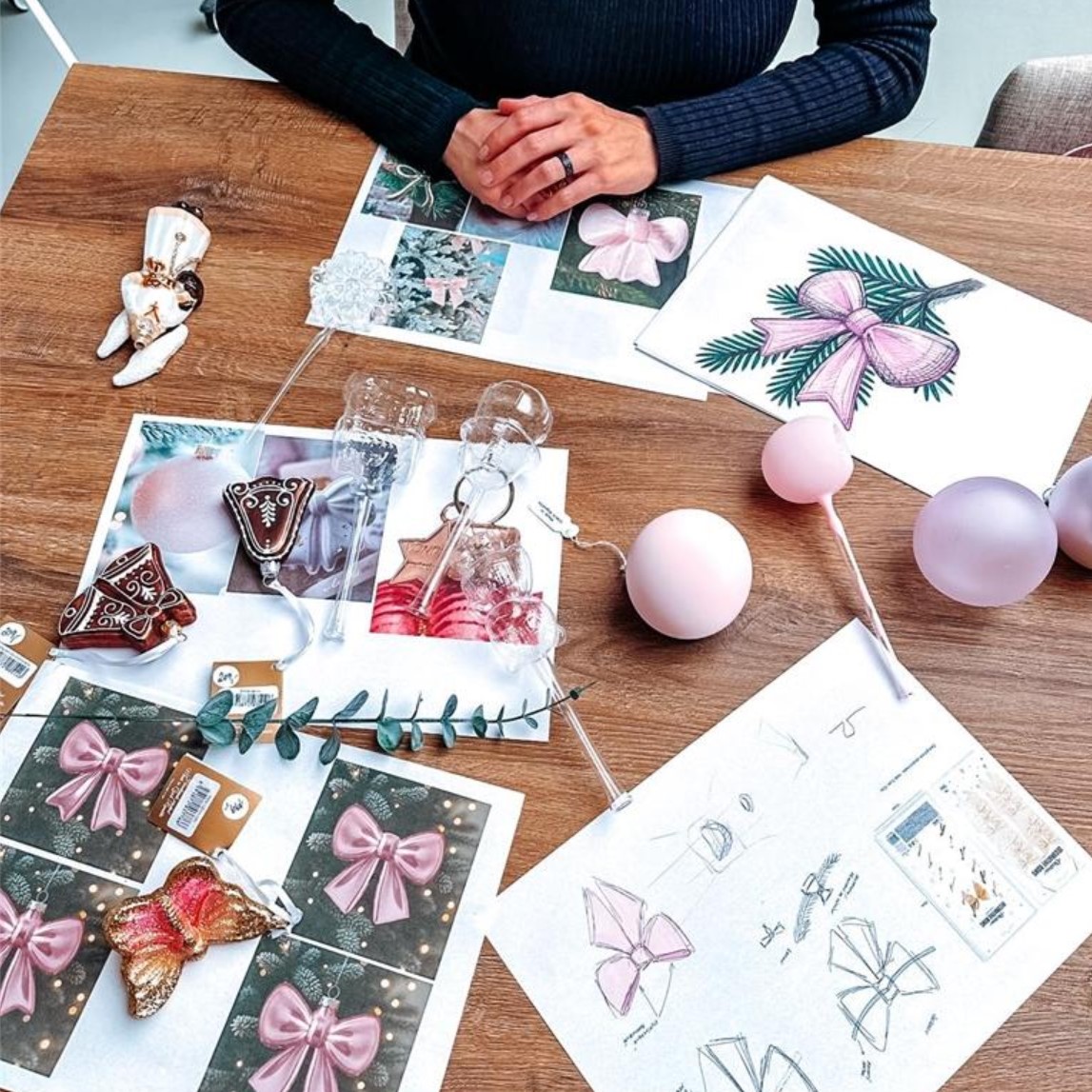
Clear design files help our team understand product requirements and reduce unnecessary revisions. Buyers can provide sketches, reference photographs, product samples, or digital artwork. We recommend providing an AI file, which is a vector artwork source file, whenever the design and production method support it. A qualified manufacturer should have its own design team. At Zhichen Artware, our professional design optimization team can work directly with customers' AI files to refine and improve their designs.
We also evaluate whether an approved design can be reproduced consistently across the planned production quantity. Very fine lines, complex decorative layers, unusual shapes, and combinations of multiple materials may require additional production checks. Small design adjustments during sampling can help prevent manufacturing difficulties later. This is where a manufacturer's extensive product development and manufacturing experience can make a real difference.
For projects with multiple designs, buyers should confirm the samples, colors, patterns, and packaging details before authorizing bulk production. Our OEM and ODM services help customers coordinate these requirements, from the initial concept to the final bulk order.
Buyers developing coordinated seasonal collections can also review our custom Christmas wreath decoration development page to see how different shapes, decorative accessories, colors, and materials can work together in a product range.
Frequently Asked Questions
How do I create my own custom Christmas ornament design?
Start with a product concept, target market, preferred materials, and visual references. Prepare artwork or a technical drawing that includes dimensions, colors, surface finishes, and hanging details. Work with a direct manufacturer to review feasibility, develop samples, and confirm the final specifications before bulk production.
What is the best material for custom Christmas ornaments?
The best material depends on the design, budget, production method, and shipping requirements. Glass offers a classic decorative appearance, ceramic provides a solid feel, and plastic and resin support flexible shapes and detailed forms. An experienced manufacturer can recommend suitable materials based on the specific project requirements.
Can custom Christmas ornament designs use multiple materials?
Yes. A custom ornament can combine materials such as glass, ceramic, plastic, and resin, or incorporate other suitable materials. The best approach depends on the design concept, target price, product weight, and production requirements. The final material combination should be selected according to the product's specific design details and intended use.
What should I check before approving a custom Christmas ornament sample?
Buyers should compare the sample with the approved design, including dimensions, colors, surface finishes, logo placement, structural details, and hanging accessories. They should also review the packaging requirements and confirm any necessary changes before bulk production. All required revisions should be finalized before production begins.
At Zhichen Artware, we believe effective ornament design connects creativity with practical production needs. When buyers define their requirements early, select suitable materials, and validate samples before production, they can develop distinctive Christmas ornament collections with clearer specifications and fewer avoidable revisions.
Alina
I'm Alina, a specialist in decorative products with a focus on custom holiday and event decorations. With solid industry knowledge and extensive manufacturing experience, I provide reliable custom solutions and professional support for bulk orders worldwide.
Learn how to plan bulk custom ceramic ornament orders, from design specifications and ceramic finishes to MOQ, sample approval, and protective packaging. Zhichen Artware supports OEM and ODM projects for seasonal decorations and promotional collections.
Discover how Zhichen Artware helps business buyers customize plastic ornaments for Christmas, Halloween, Easter, and promotional events. Explore material options, shapes, branding, packaging, sampling, and bulk production planning for your next project.
Learn how bulk custom glass decorations can support seasonal collections, corporate gifts, and event projects. Explore design options, OEM/ODM development, sample approval, quality checks, and protective packaging for B2B orders.
Discover how handmade Christmas balls are made through glass blowing, spray painting, decal application, and hand painting. Learn how manufacturers balance craftsmanship, production efficiency, and consistent quality in bulk custom orders.